About the project
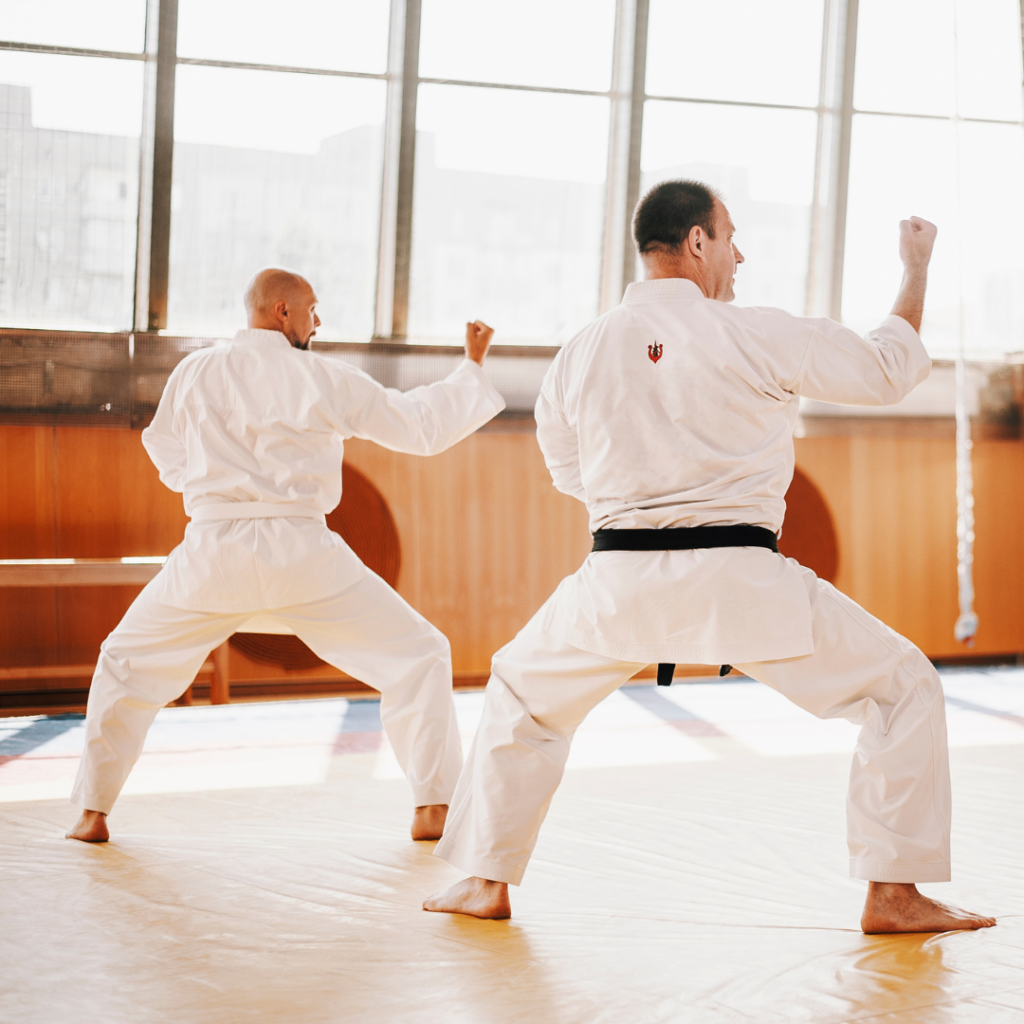
Cardiovascular diseases (CVDs) are a leading cause of mortality globally, with obesity being a significant risk factor contributing to their prevalence. The World Health Organization (WHO) identifies CVDs as the number one cause of death worldwide, with an estimated 17.9 million deaths annually. imperative. CardioStrike aims to utilize martial arts as a powerful tool for the overall well -being, targeting both the physical and mental dimensions of health. Promoting martial arts as a means of fostering physical activity, the project aims to enhance cardiovascular health by reducing hypertension, improving cholesterol levels, and enhancing insulin sensitivity. The Role of Martial Arts in Promoting Health and Well-being:
- Physical Benefits: Builds cardiovascular fitness, strength, and flexibility, directly supporting heart health.
- Mental Benefits: Enhances focus, discipline, and stress reduction, with routines that promote resilience.
- Holistic Impact: Martial arts empower individuals to take charge of their health, reducing CVD risks and improving quality of life.
Infographics
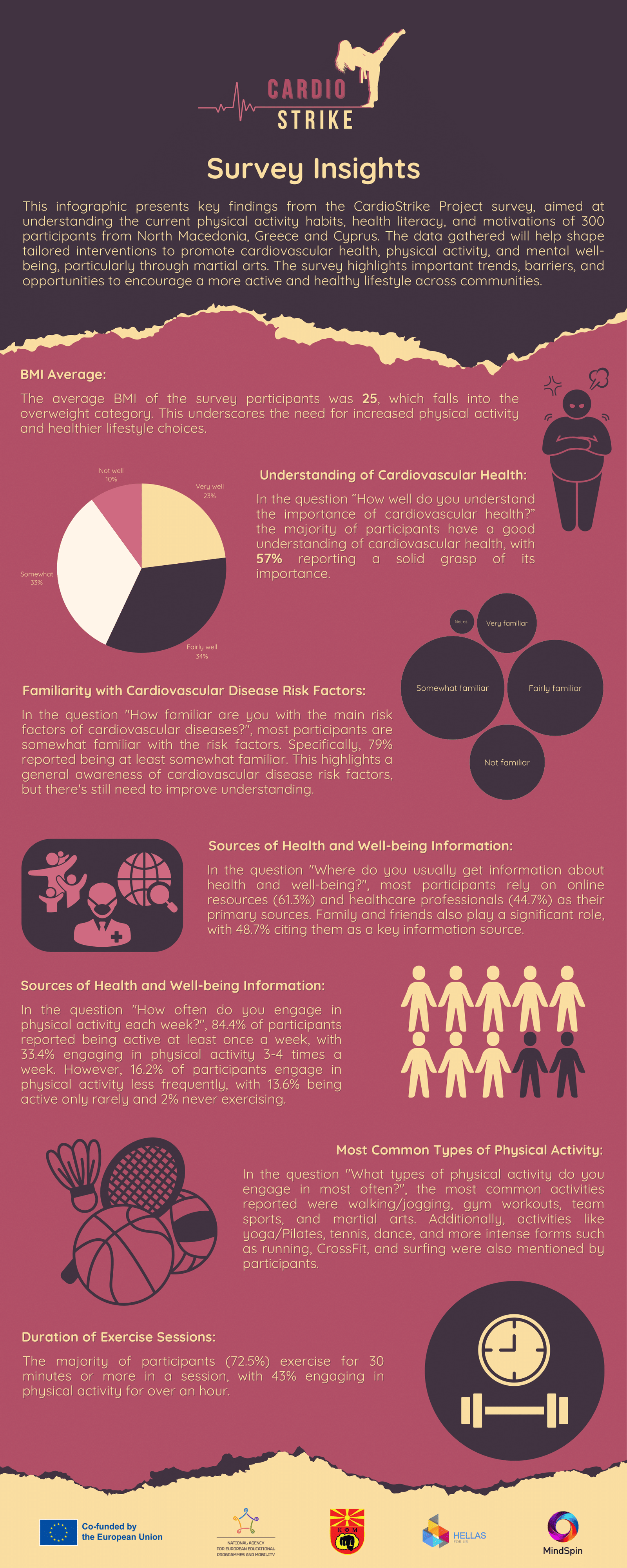
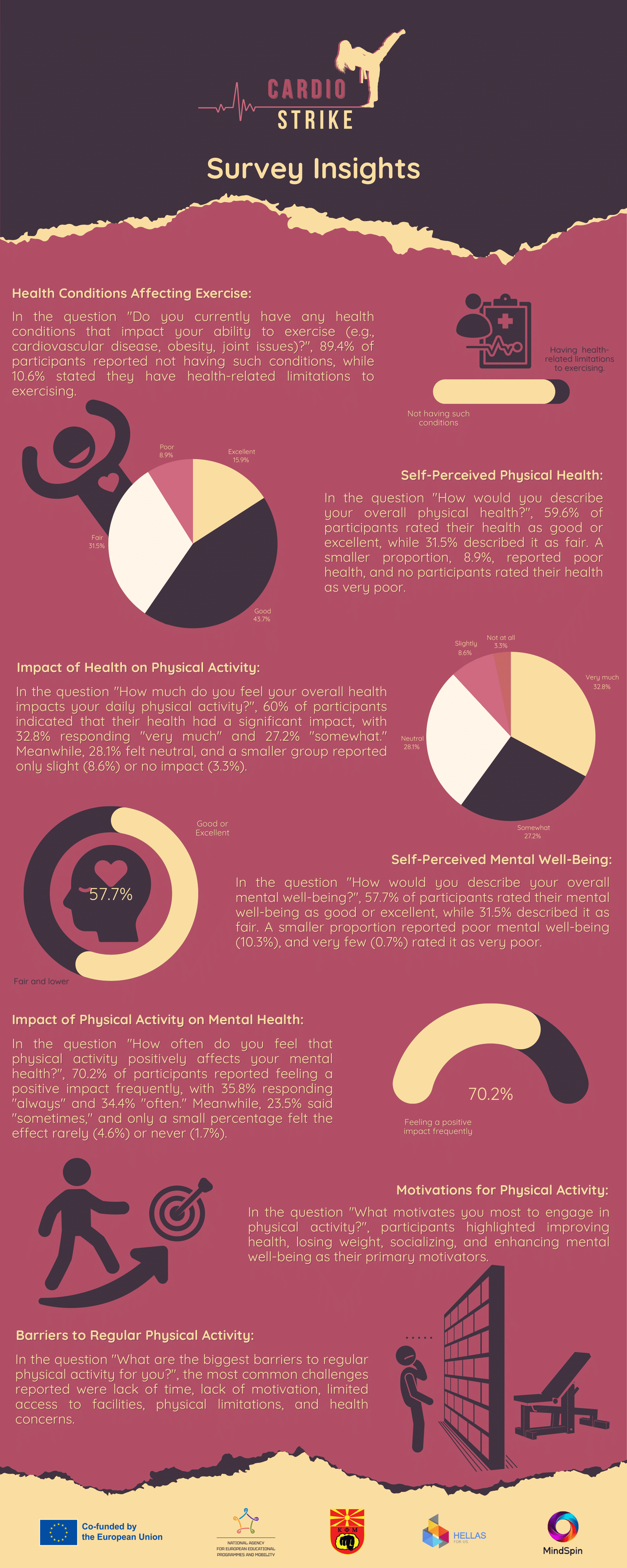
The CardioStrike project team surveyed 300 participants from North Macedonia, Greece, and Cyprus to assess current physical activity habits, health literacy, and motivations for adopting a healthier lifestyle. The findings highlight key trends in cardiovascular health awareness, exercise frequency, and preferred physical activities, with a strong focus on martial arts as an effective tool for promoting well-being. These insights help identify barriers and opportunities for fostering a more active and informed society.
Curriculum
The CardioStrike Curriculum is an educational resource designed to bridge martial arts training with cardiovascular health and mental well-being. As presented in the document, the curriculum introduces the CardioStrike project’s mission: empowering individuals—especially those at risk of obesity and cardiovascular diseases—through accessible martial arts-based physical activity and inclusive health education. It provides an in-depth overview of cardiovascular diseases, including their causes, risk factors, and global prevalence, supported by infographics and structured explanations found throughout the early pages of the curriculum (pages 3–15). This foundation helps readers understand how lifestyle, environment, and physical inactivity contribute to heart-related conditions, while also emphasizing the transformative role of structured exercise and increased activity.
Beyond medical knowledge, the curriculum places strong emphasis on inclusion, mental well-being, and social support. Several chapters address the importance of diversity in health programs, the need for culturally sensitive approaches, and the barriers many individuals face when engaging in physical activity—such as stigma, economic obstacles, and varying health limitations (pages 20–25). The text outlines practical strategies for creating supportive group environments and adapting martial arts activities to different physical abilities, ensuring that every participant feels welcomed and motivated. This holistic approach positions martial arts not only as a tool for physical fitness but also as a method for strengthening emotional resilience, reducing stress, and fostering community.
The latter sections of the curriculum introduce nutrition guidance, motivational techniques, and the philosophy behind martial arts, linking each to cardiovascular and mental health improvement (pages 26–34). The document highlights how habits such as balanced eating, mindfulness, regular exercise, and adequate sleep form the foundation for long-term well-being. It ultimately presents martial arts—as both a discipline and a lifestyle—as a powerful means of improving cardiovascular function, developing focus, building confidence, and promoting holistic health. The curriculum concludes by encouraging instructors and organizations to use these resources to create inclusive, supportive programs that inspire positive lifestyle changes within their communities.
"The curriculum aims to provide comprehensive resources and training for martial arts instructors, equipping them with the knowledge and skills necessary to implement inclusive practices and promote mental health awareness. These resources will serve as valuable tools for enhancing instructors' ability to create a supportive, empathetic environment for individuals with diverse health conditions and backgrounds."
Videos
We have created more than 15 videos on TikTok showcasing how martial arts—and more specifically karate—can improve cardiovascular health and overall well-being. You can find all of them on the TikTok channel of the coordinator: Karate Federation of N. Macedonia.
@kfm_official1 🥋 Martial Arts isn't about perfection... It’s about progress — YOUR way. Slow? Fast? Modified? Doesn’t matter. 👉 Adjust the training. Keep moving. Because anyone can do this. #CardioStrike #MartialArts #Karate #ErasmusPlus @hellasforus @mindspincyprus ♬ original sound - kfm_official
@kfm_official1 Martial arts are inclusive for everyone. Join us! 🥋 #Erasmus #CardioStrike @Hellas for Us @MindSpin ♬ original sound - kfm_official
@kfm_official1 Welcome to our Cardio Strike Erasmus+ Project! #CardioStrike #Erasmus +@Hellas for Us @MindSpin ♬ original sound - kfm_official
Trainers Testimonials
Funded by the European Union. Views and opinions expressed are however those of the author(s) only and do not necessarily reflect those of the European Union or the European Education and Culture Executive Agency (EACEA). Neither the European Union nor EACEA can be held responsible for them.